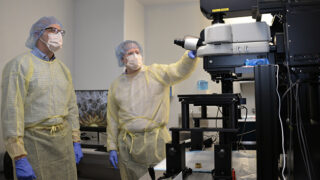
Our Research Program
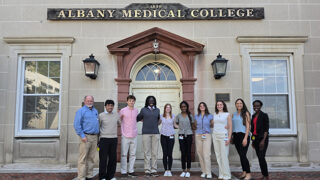
We educate and train the next generation of biomedical researchers, educators, physicians, and health care professionals. Our research spans all aspects of experimental design ranging from animal models to cellular and molecular mechanisms.
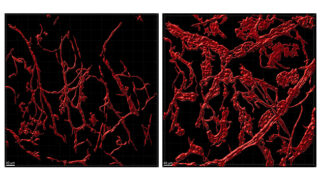
Faculty members work in an interactive environment that supports collaborations between scientists and clinicians. Our research centers on several key areas and provides opportunities for students and fellows to explore the mechanisms of cardiovascular and pulmonary diseases, gastrointestinal and kidney fibrosis, and cancer and aging, among other conditions. Our research spans all aspects of experimental design ranging from animal models to cellular and molecular mechanisms.
Our Graduate Programs
We offer programs that lead to MS and PhD degrees, as well as opportunities for postdoctoral fellows. We provide opportunities for students and fellows to explore the mechanisms of cardiovascular and pulmonary diseases, gastrointestinal and kidney fibrosis, and cancer and aging, and more.
Find out more about Postdoctoral Opportunities in our program.

-
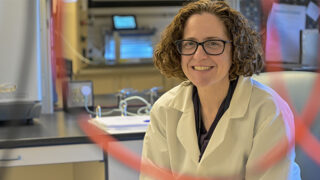
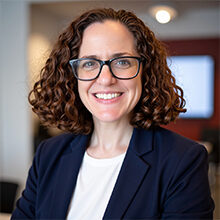 Gabrielle Fredman, PhD Professor & Chair, Dept. of Molecular & Cellular PhysiologyMCP has a strong foundation of outstanding science and a deep commitment to training the next generation. By investing in exceptional people, fostering collaboration across disciplines, and advancing translational research that connects discovery with medicine, we will continue to create an environment where people thrive and great science follows.”
-
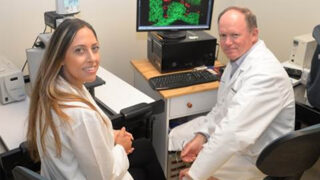
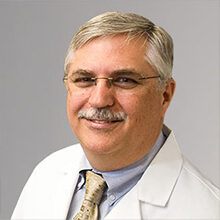 Dr. Harold Singer Chair Emeritus, Dept. of Molecular & Cellular PhysiologyOur research activities provide robust training programs. In addition to research mentoring, our trainees receive formal instruction in medical physiology and gain competencies in teaching and communication skills that distinguish them as they move on to careers in academia, medicine and the private sector.”