The Melodies Center for Childhood Cancer & Blood Disorders
The Melodies Center, located at Albany Medical Center, is the only provider of care for children and teens with cancer and blood disorders in the Capital Region. With world-class staff and facilities, and as a member of the Children’s Oncology Group (COG), the world’s largest organization dedicated to childhood cancer research trials, children and teens in the Capital Region can receive the highest level of care close to home.
The Melodies Center team includes highly skilled clinical staff, including pediatric oncologists and hematologists as well as chemotherapy nurses, social workers, child life specialists, and the support of Albany Medical Center’s pediatric subspecialists. We treat more than 1,400 children and their families annually, and our doctors, nurses, and staff are trained to help children and their parents understand the stress of managing a diagnosis.
We know how critical it is to get the right diagnosis for your child as quickly as possible so treatment can begin. We carefully walk you through your child’s diagnosis and treatment options so you understand the full range of medical and surgical options. While we provide the very best medical care, we also work to help your child and family members understand and feel comfortable during treatment.
Among the Conditions We Treat
- Acute lymphoblastic leukemia
- Acute myeloid leukemia
- Anemia
- Bleeding disorders (Learn more about the Hemophilia Treatment Center)
- Brain tumors and neurofibromatosis
- Disorders of the white blood cells
- Ewing's sarcoma
- Langerhans cell histiocytosis
- Lymphomas
- Lymphadenopathy
- Neuroblastoma
- Osteosarcoma
- Sickle cell disease
- Soft tissue sarcoma
- Splenomegaly
- Wilms tumor
We are a full-service pediatric oncology and hematology center treating almost all conditions affecting children and teenagers.
The Melodies Center is a member of the Children’s Oncology Group (COG), the world’s largest organization dedicated to childhood cancer research trials. We meet strict standards and we are audited on every aspect of our clinical research every three years. Our COG membership allows us to offer clinical research protocols for a variety of childhood cancer research trials so that families rarely have to travel outside the region to get access to experimental trials and agents.
All the pediatric oncologists at the Melodies Center are members of COG, with funding from the St. Baldrick’s Foundation and the National Cancer Institute.
Albany Medical Center is currently involved in more than 40 different studies related to pediatric cancer through our relationship with the National Cancer Institute and the Children’s Oncology Group.
In collaboration with local and national groups and foundations, the Melodies Center offers a variety of educational programs.
Organizations that support our team to ensure our children and their families receive the most complete and compassionate care include:
- American Cancer Society
- American Childhood Cancer Organization
- Cancer Care
- Candlelighters
- Camp Sunshine
- Children's Oncology Group
- Double H Ranch Camp
- National Cancer Institute
- National Hemophilia Foundation
- Ronald McDonald House Charities of the Capital Region
- Sickle Cell Disease Association of America
- St. Baldrick's Foundation
- SuperSibs, Sibling Support
Why is important that I tell my young child the truth about cancer and its treatment?
Many parents want to protect their younger children by withholding information they think might be frightening. In truth, the world is scarier for children when they do not know what is happening to and around them. From years of experience, we know that not telling your child the truth can be harmful. Children quickly sense when something is wrong and can react by feeling lonely and separated from family and friends. Children often imagine that things are worse than they are.
The benefits of talking with your child about cancer and its treatment allows your child to:
- Build trust in both you and the health care team
- Know what to expect and avoid filling in gaps with false ideas about cancer and cancer treatment
- Children fill in gaps of information with their imagination. Honest information helps correct any false ideas about cancer and cancer treatment
- Understand the importance of doing some things, for instance: taking medicines, coming to the hospital
- Have a sense of control during times when your child feels things are out of control
- Be better helped by you to get through difficult situations
Can the Melodies Center staff help if I have trouble talking about cancer with my child?
Parents should consider their child's age when choosing the words that are used to talk about what cancer is and how it is treated. Our social workers and child life specialists can help you find ways to explain the diagnosis and treatment. The child life specialist may use coloring books, teaching dolls, medical play items, and other materials to help your child understand procedures. Keep in mind that children learn from doing, seeing, and hearing things over and over and you may need to tell your child about cancer more than once.
Why is it important to maintain a normal routine during cancer treatments?
Keeping routines and activities as predictable as possible is important for the entire family. It is also critical to maintain the same family rules and discipline that existed before the cancer diagnosis. Your child will receive a lot of extra attention (some may be unwanted) from well-meaning friends, relatives, and even strangers. It is all too easy for parents to not discipline a sick child, but that approach is not what your child needs or wants. They need to know that they can depend on their parents for structure and discipline at such a scary and confusing time.
A cancer diagnosis during adolescence is unique in that just when young people naturally start to foster their identity and independence, they once again become very dependent upon their parents. Many teens have described that it is frustrating to lose the independence they have worked so hard to achieve. Parents also say that it’s challenging to balance their need as parents to protect their child, while also allow their child to maintain their normal development toward becoming self-sufficient. If you are having trouble communicating with your child or they are struggling, please ask our social work team for help.
-
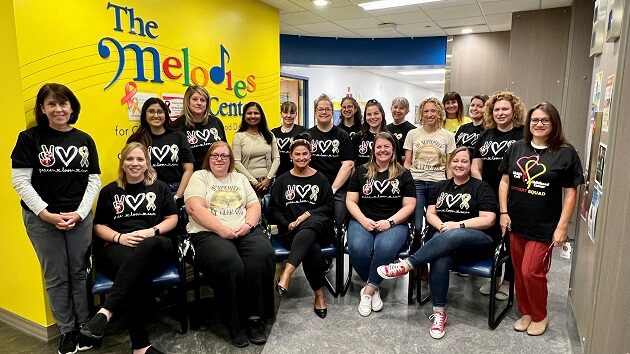 The Melodies Center team
 -
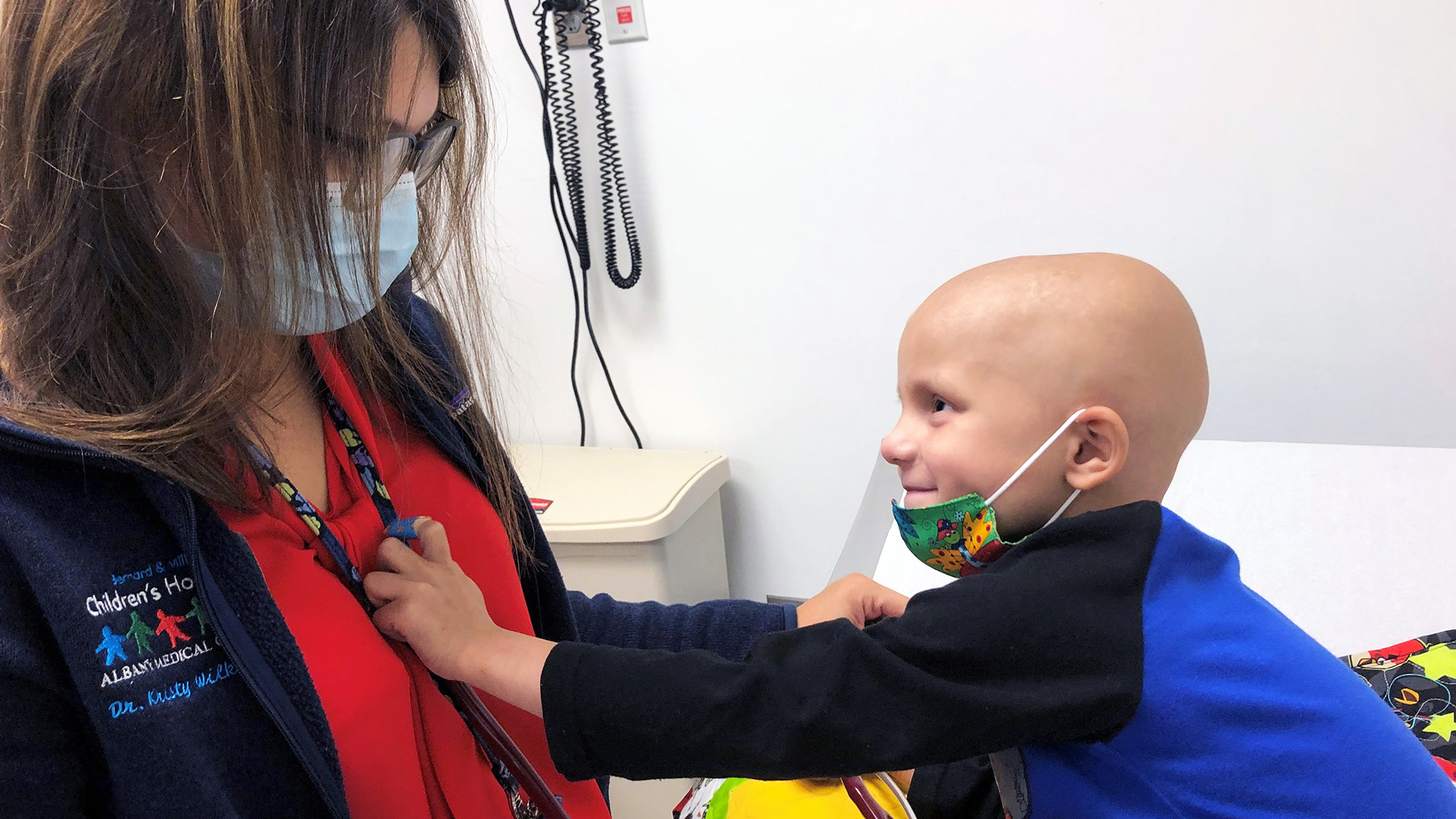
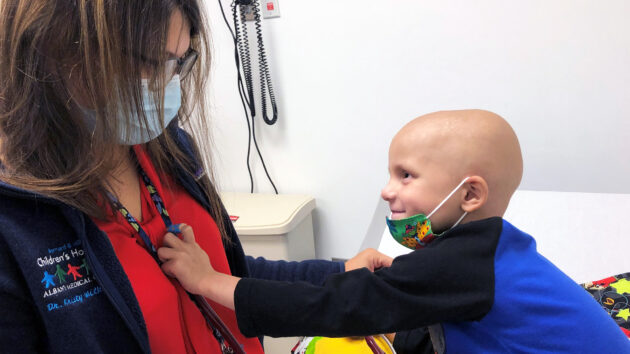 Our team forms strong bonds with our patients, and makes sure they're comfortable during appointments and treatments.
 -
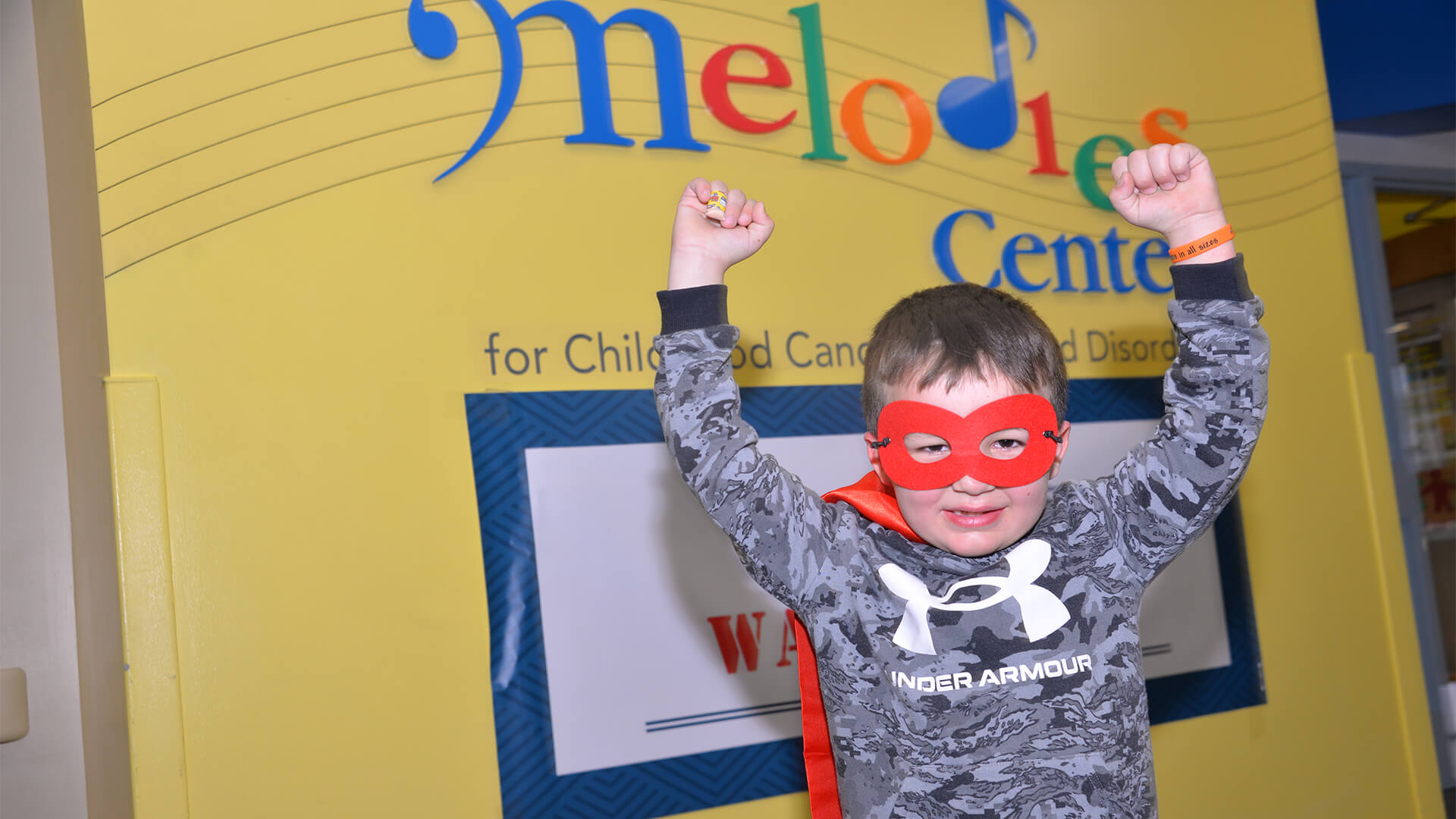
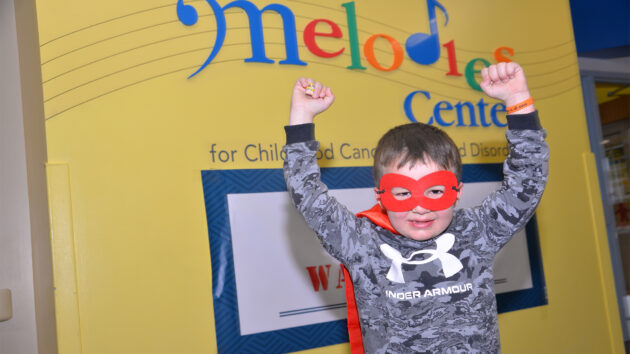 Tucker completed his final cancer treatment at the Melodies Center.
 -
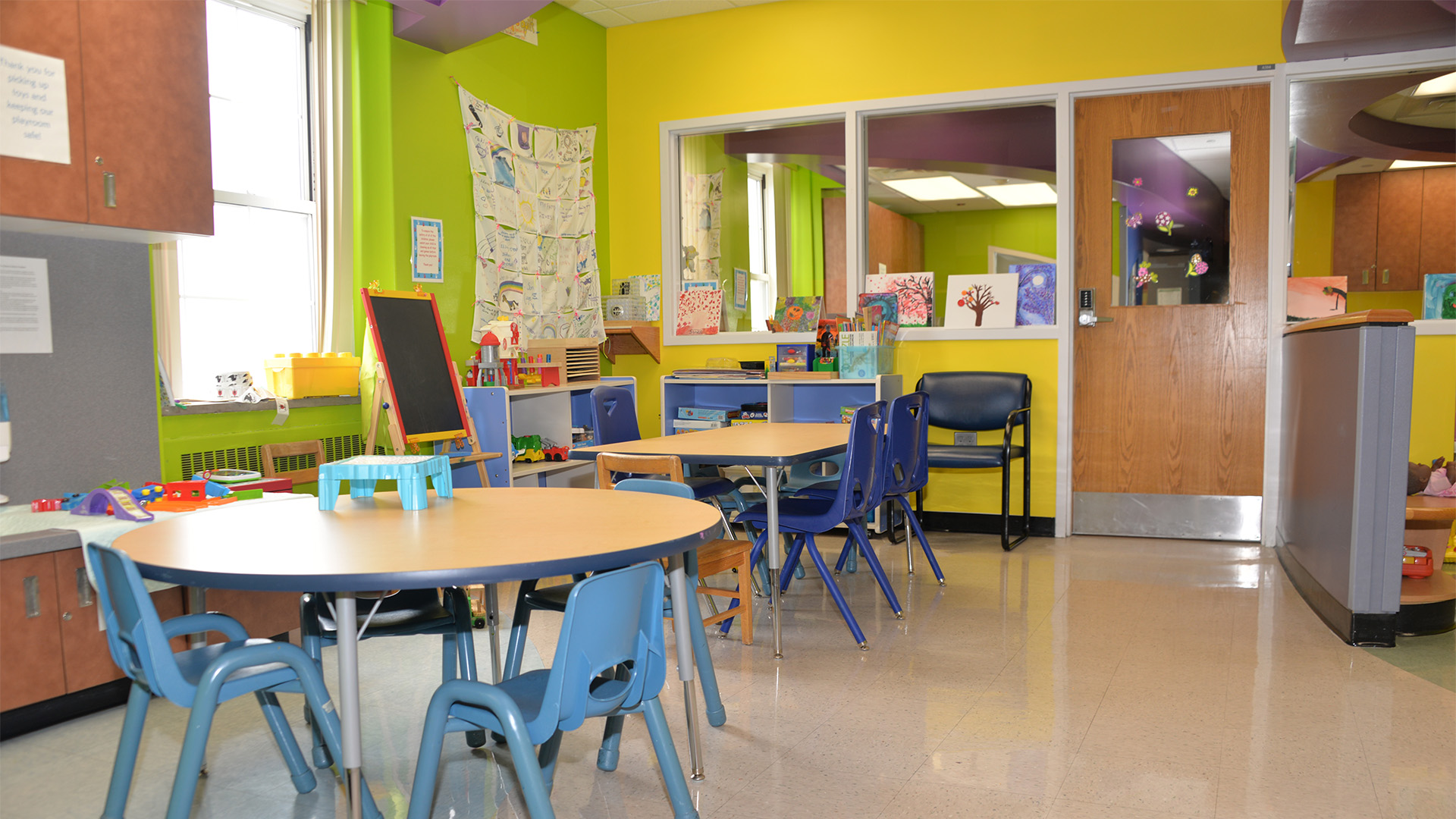
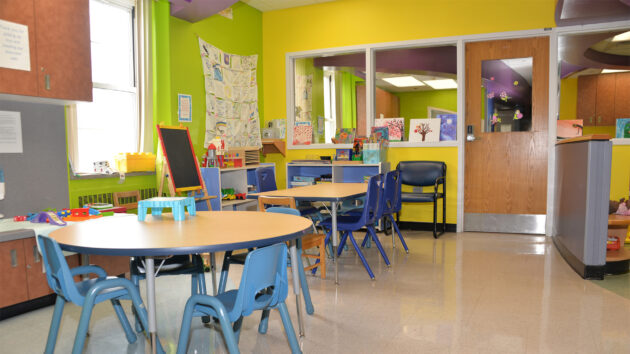 The Melodies Center has a play area where children can have fun and relax during their appointments and treatments.
 -
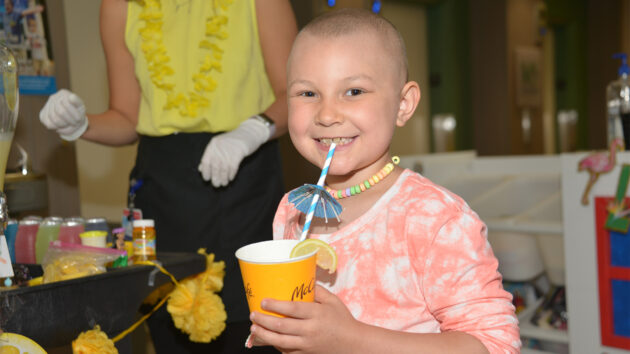 Enjoying a summer celebration at The Melodies Center.
 -
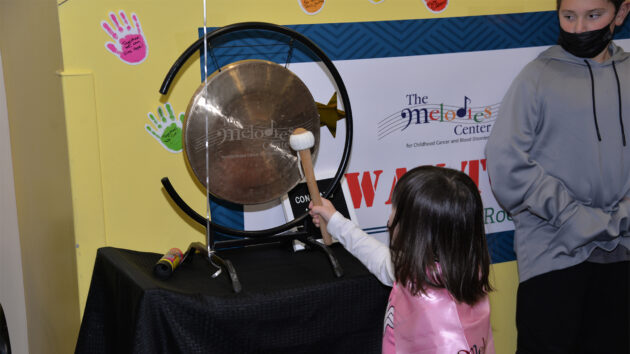 Melodies Center patient Allie rings the gong to celebrate completing her final cancer treatment.
 -
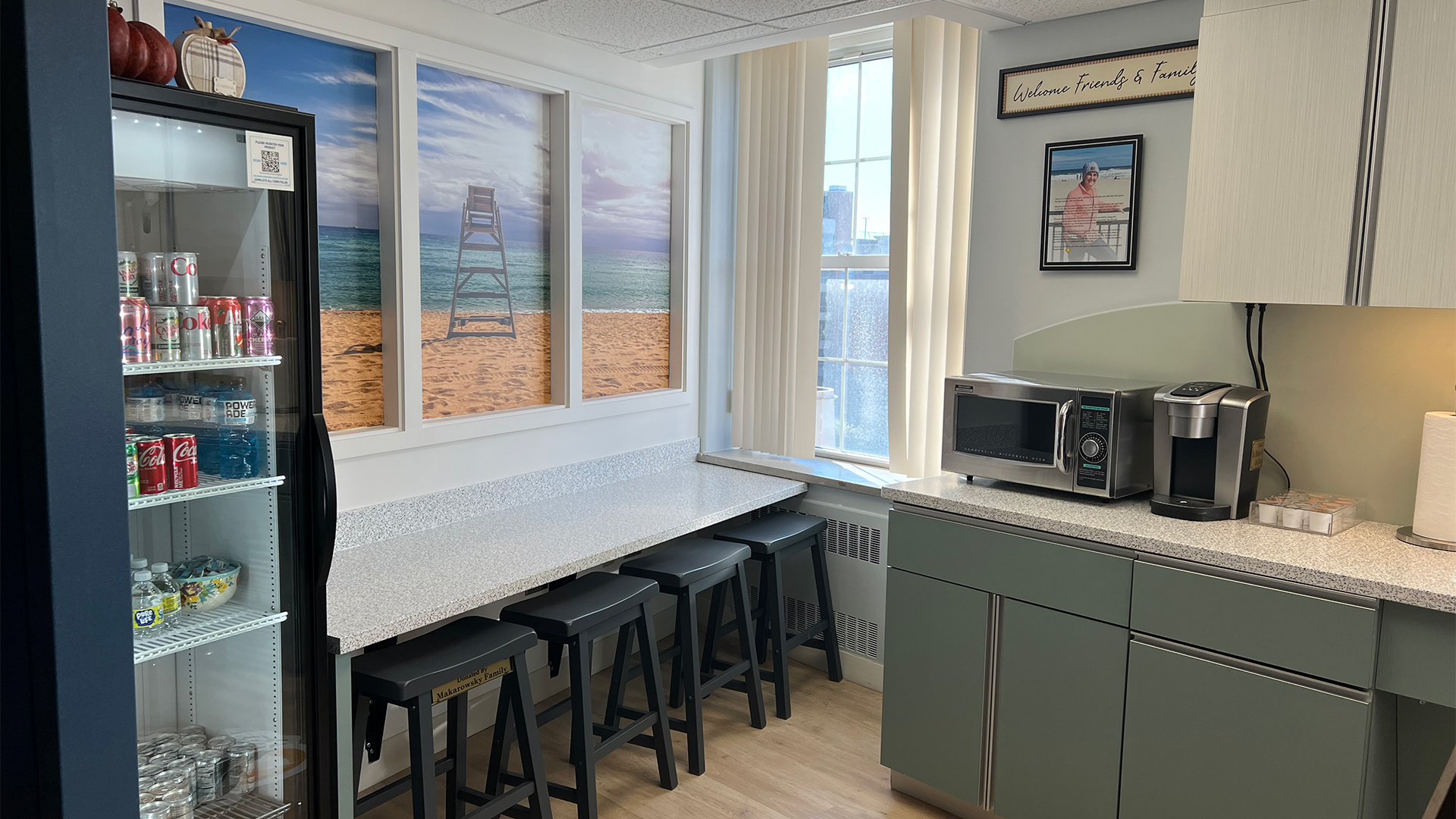
 Hannah's Hideaway is a hospitality kitchen in the Melodies Center, and was built and dedicated in honor of a Melodies patient Hannah Priamo.
 -
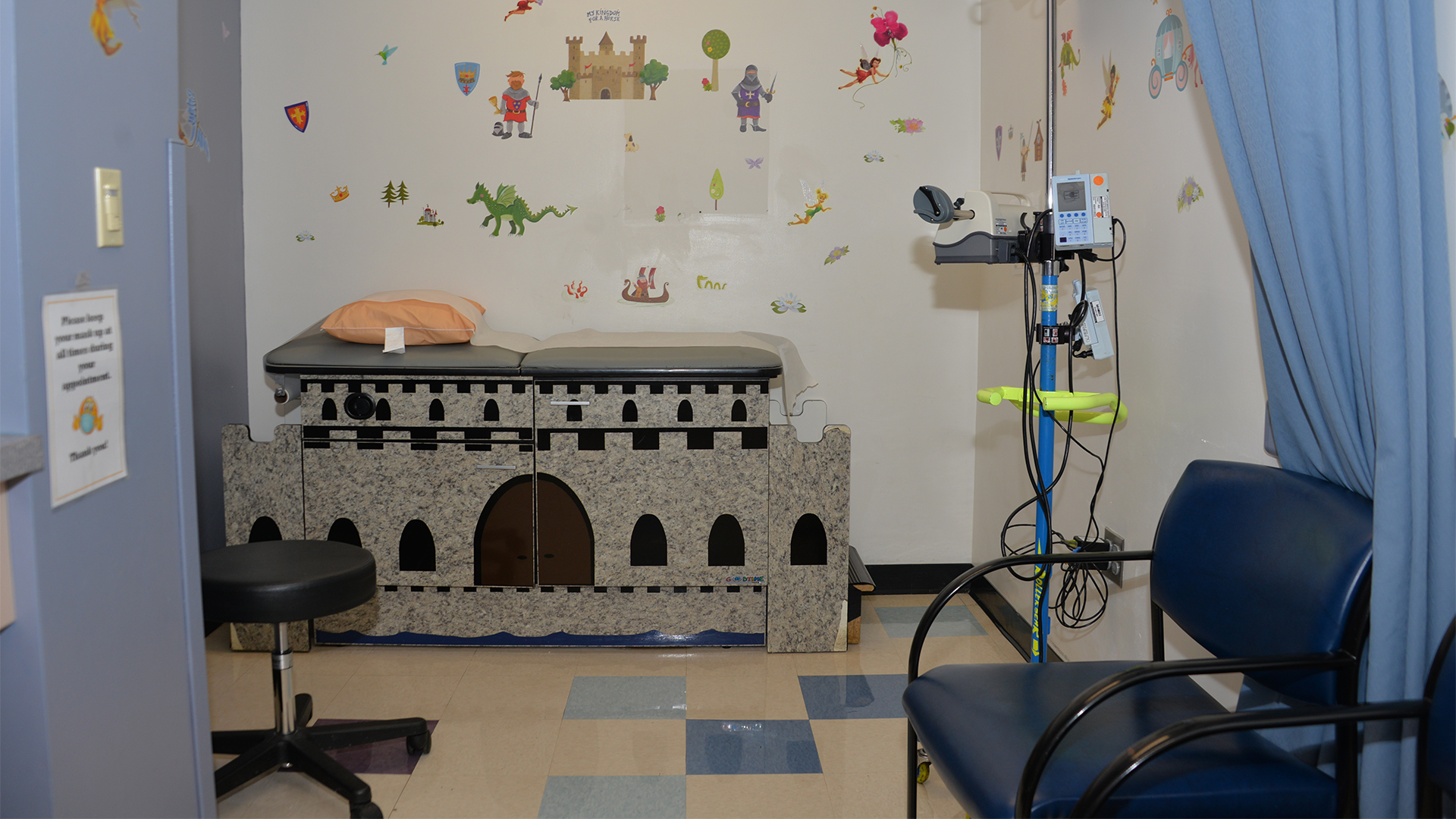
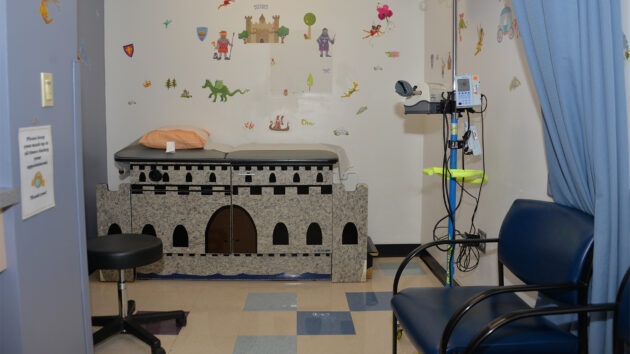 The exam rooms in the Melodies Center are decorated to be kid-friendly and inviting.
 -
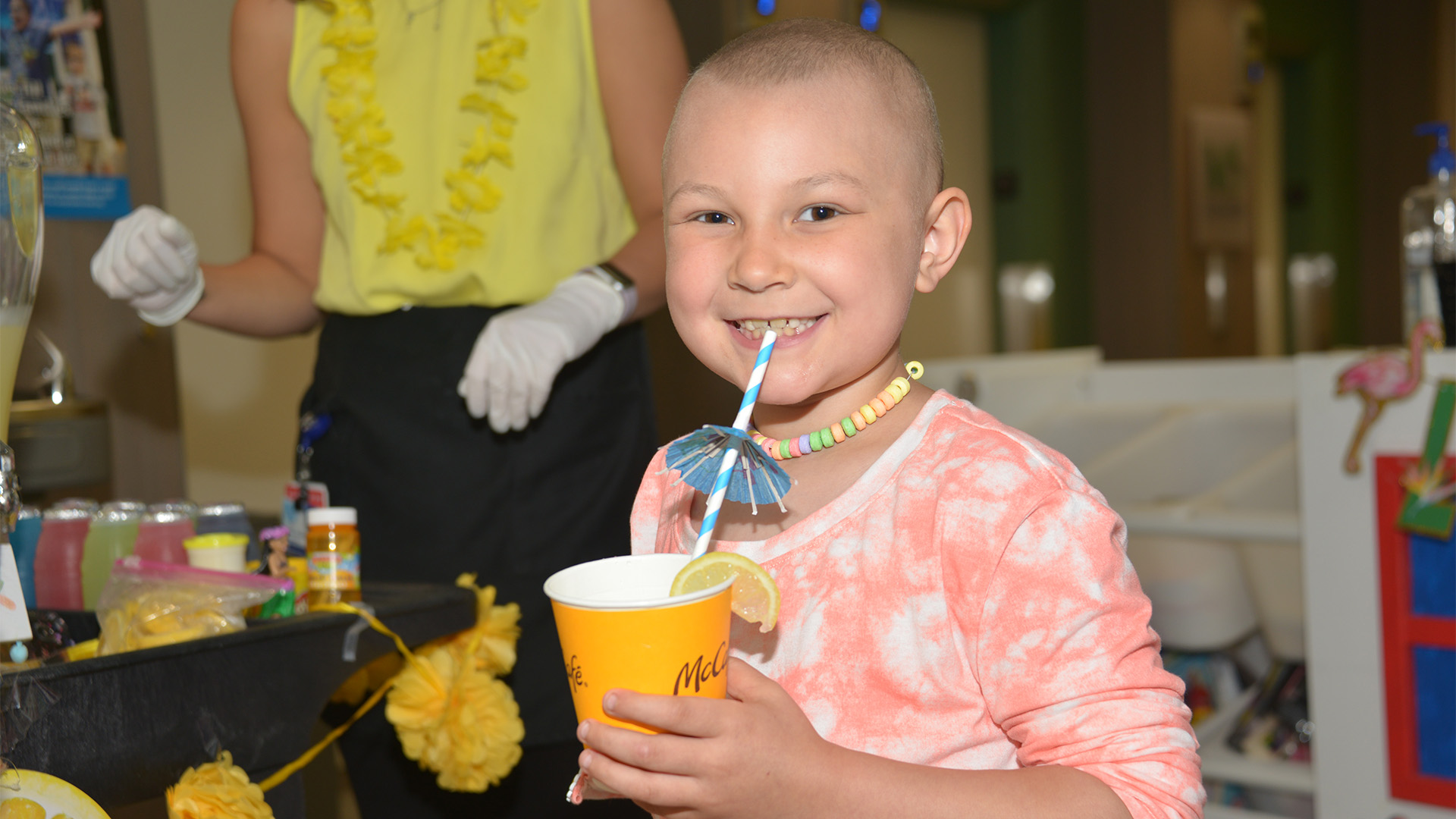
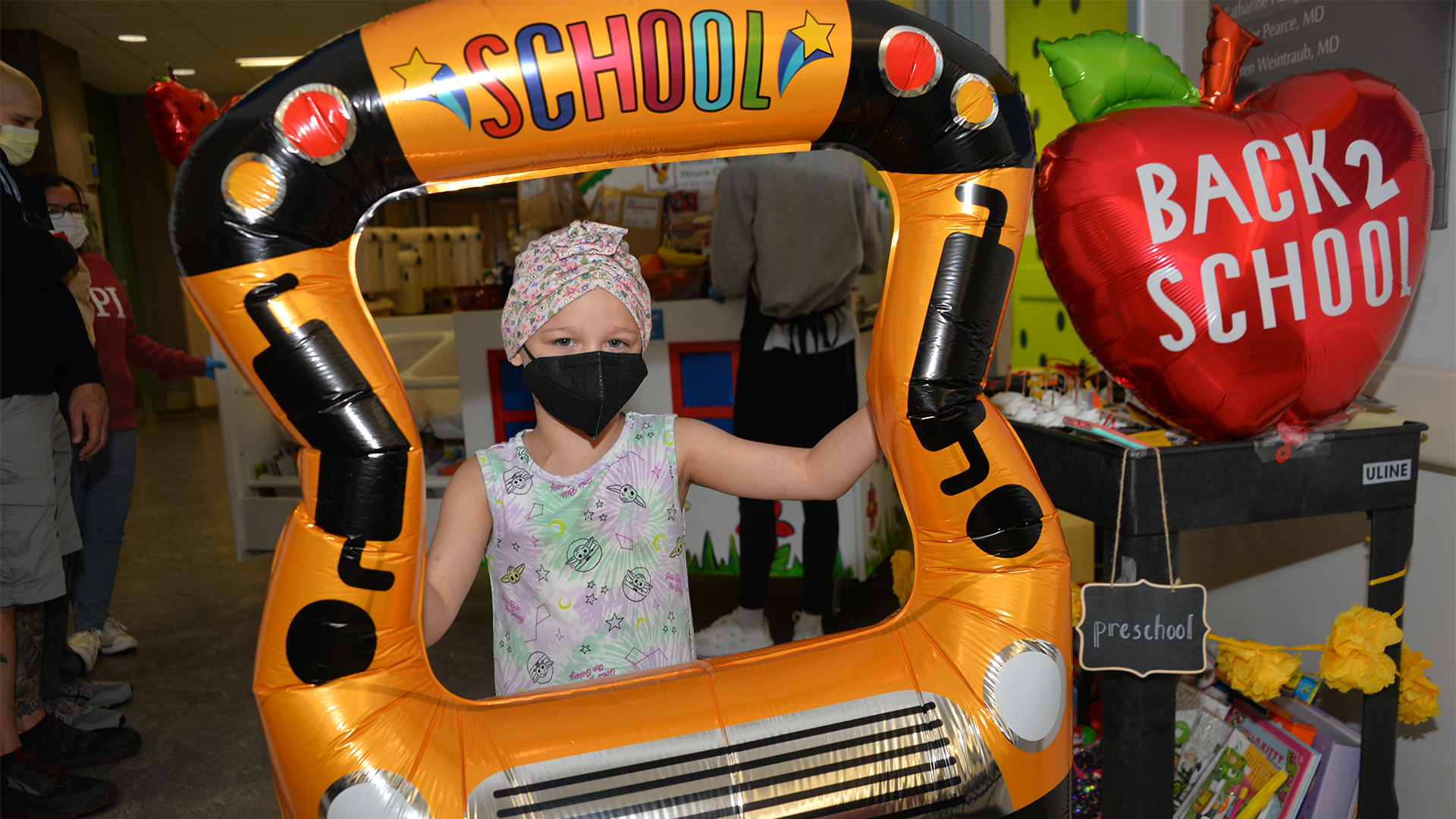
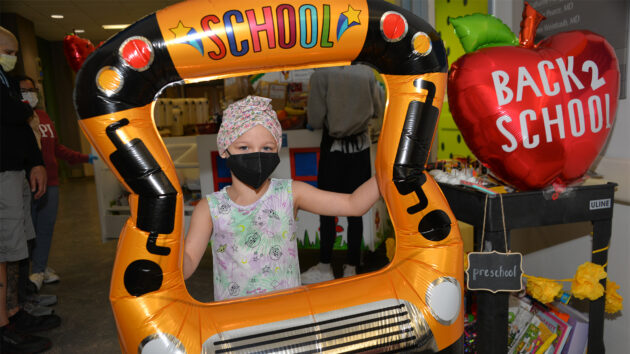 The Ronald McDonald House Charities' hospitality cart brought a back-to-school celebration to the Melodies Center.
 -
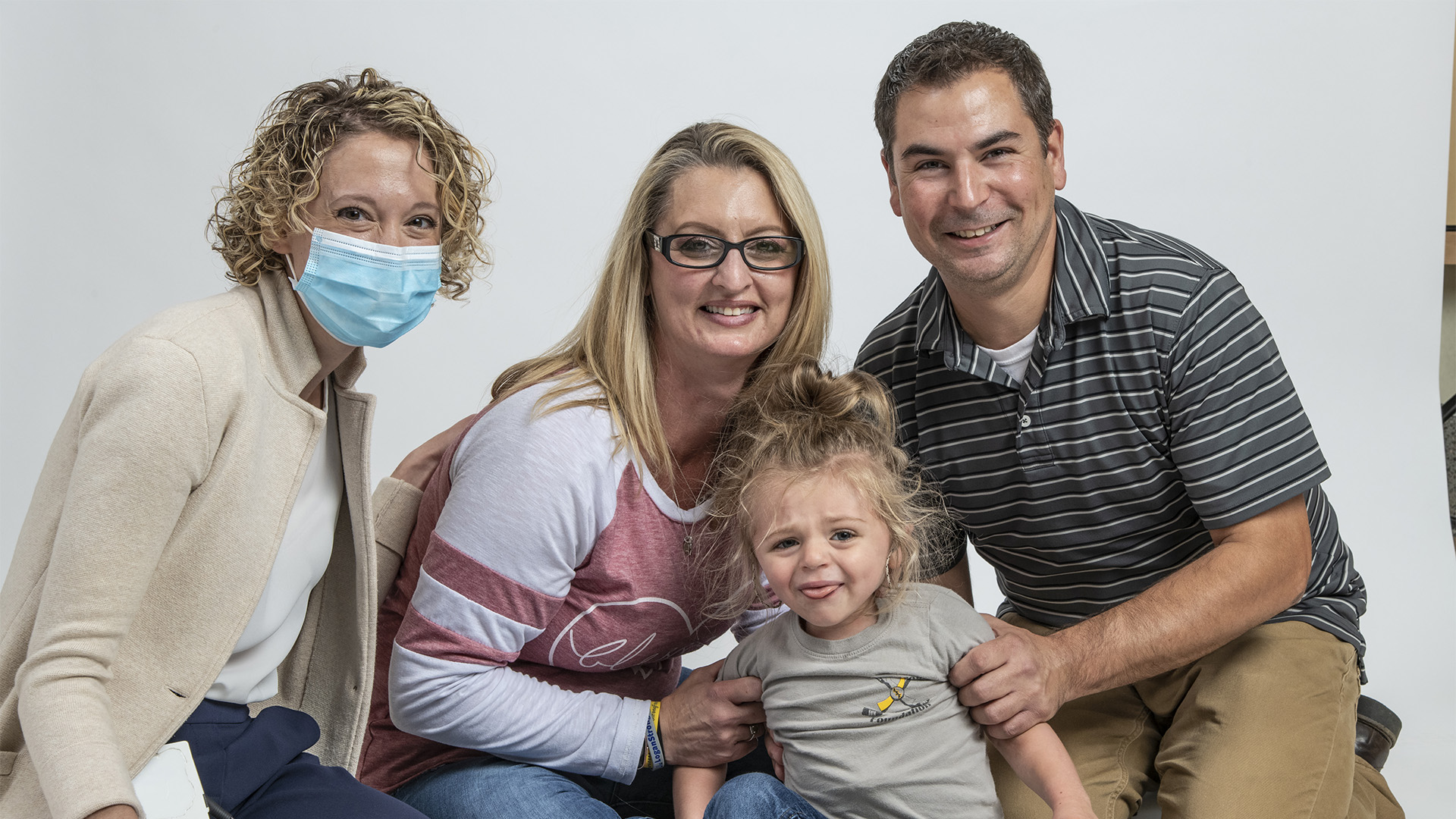
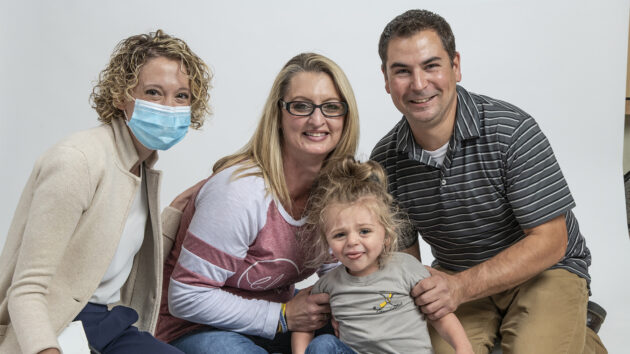 Melodies Center patient Logan, with parents Jennifer and Kevin and Dr. Lauren Weintraub.
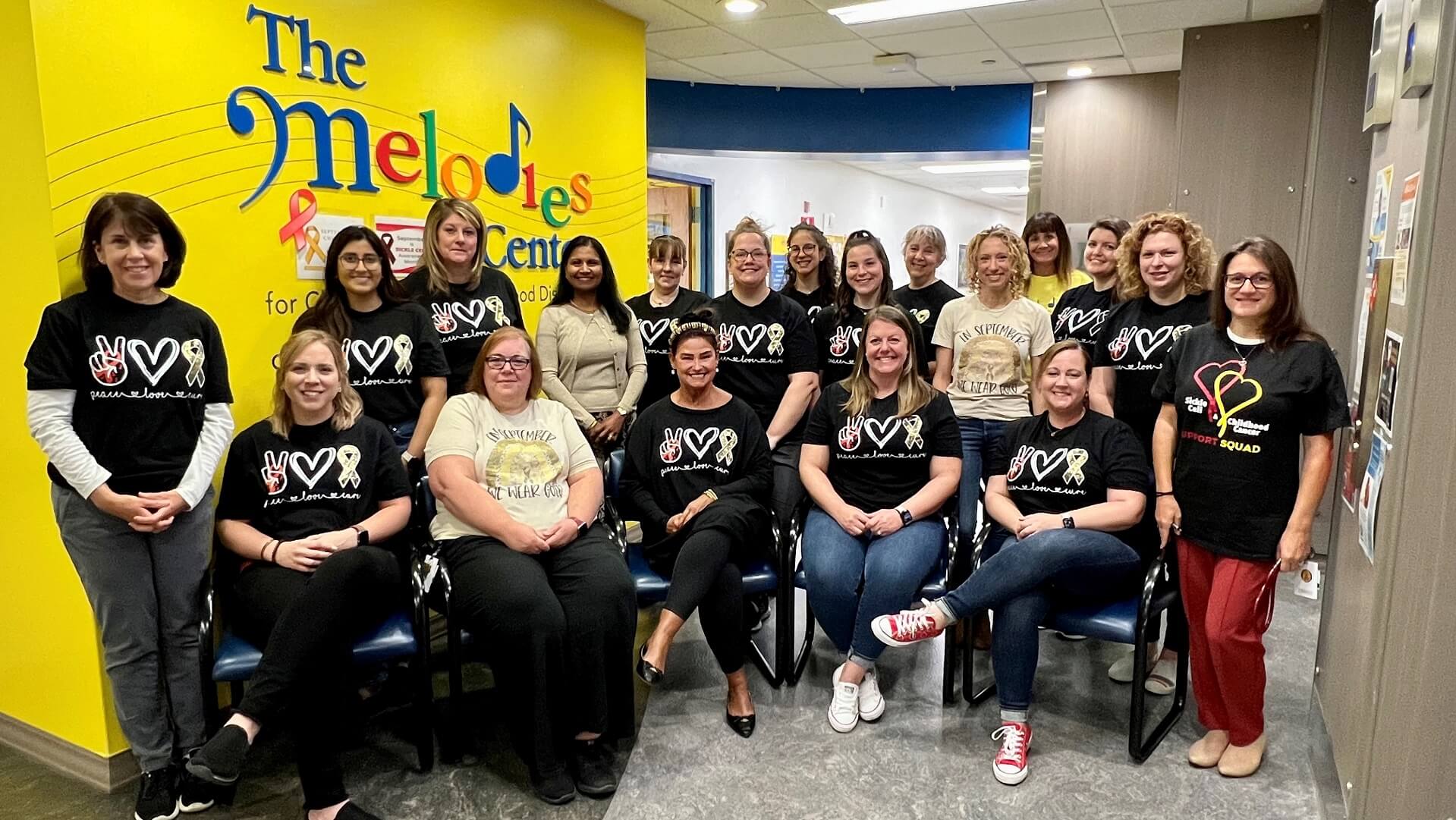

Contact Us
To make an appointment at the Melodies Center, call 518-262-5513.
Location, physician, and referral information can be found in the Get Care section of this page.
Established Patients
To make appointments, refill prescriptions, or to reach a staff member in an emergency or after-hours, call 518-262-5513.
In the event of a life-threatening emergency, take your child immediately to the nearest emergency room or call an ambulance. As soon as possible call 518-262-5513 to inform the pediatric hematologist-oncologist on call (and give the telephone number of the emergency room) so they can assist the emergency room physician in your child’s care.
Giving to the Melodies Center
Our generous community helps keep our Center at the forefront of cancer care. Learn more about giving to the Melodies Center.